

Apartments and houses are both forms of residential dwellings, however they differ in several key ways, together with their bodily traits, possession structure, upkeep obligations, and lifestyle considerations. Here are some of the primary variations between residences and houses:
1. Physical Characteristics:
Apartments:
Typically located within multi-unit buildings or condo complexes.
Individual items are sometimes compact and share walls with neighboring items.
May have shared hallways, stairwells, or elevators.
Houses:
Stand-alone structures with their very own walls and infrequently a yard or outside house.
Generally supply more space each indoors and outdoors in comparability with apartments.
Provide greater privacy because of the absence of shared partitions and customary areas.
2. Ownership:
Apartments:
Typically rented or leased from a landlord or property management company.
Residents are tenants who do not personal the condo unit itself.
Houses:
Can be owned by individuals or households.
Owners have full management over the property and can make modifications or renovations as desired.
3. Maintenance Responsibilities:
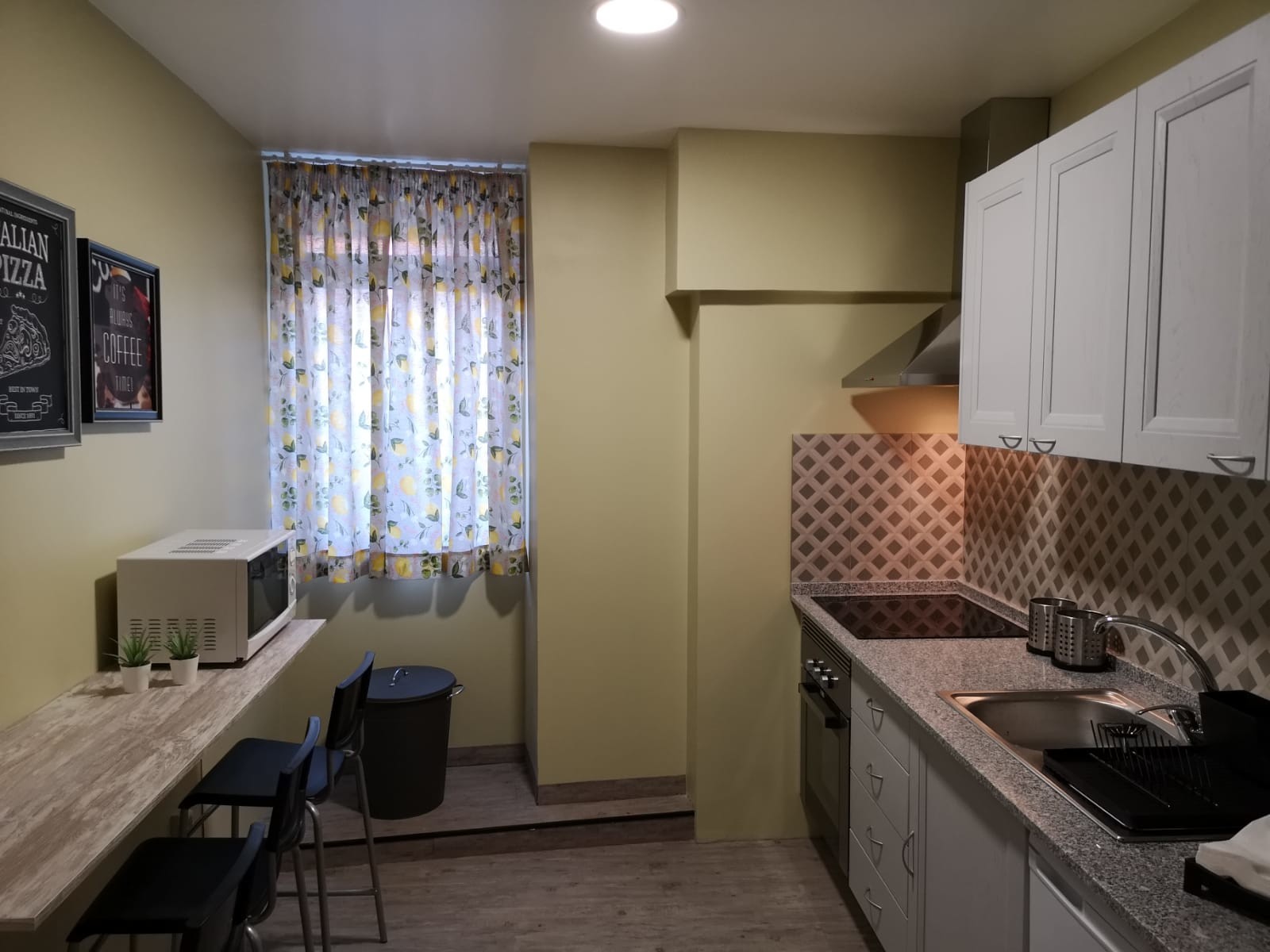
Apartments:
Landlords or property managers are typically answerable for maintenance, repairs, and property repairs.
Tenants report points to the landlord, who arranges for repairs.
Houses:
Owners are liable for all upkeep and repairs, together with landscaping, plumbing, electrical, and structural upkeep.
Costs related to upkeep and repairs are borne by the homeowner.
4. Lifestyle Considerations:
Apartments:
Often suited to people or smaller households.
Offer convenience and will embody facilities like health centers or swimming swimming pools.
May be positioned in urban or densely populated areas.
Generally require less time and effort for property maintenance.
Houses:
Suitable for bigger households or those desiring extra space.
Allow for larger customization and personalization of the property.
Often positioned in suburban or rural areas with more room and greenery.
Require extra time and effort for maintenance and yard care.
5. Financial Considerations:
Apartments:
Typically involve month-to-month hire payments, which can embody utilities or amenities.
Lower upfront prices compared to buying a house.
Houses:
Involve mortgage funds for owners who've bought the property.
Upfront costs embody a down cost, closing costs, and ongoing property taxes and insurance.
6. Community and Neighbors:
Apartments:
Living in close proximity to neighbors in the same building or complicated can lead to more frequent interactions.
Apartment communities may offer social occasions or shared widespread spaces.
Houses:
Generally offer extra distance and separation from neighbors, offering higher privateness.
Interactions with neighbors may be much less frequent as a outcome of larger property boundaries.
Ultimately, Lathembo between residing in an apartment or a home is dependent upon individual preferences, way of life, financial issues, and housing needs. Apartments are often favored for their convenience and decrease maintenance obligations, whereas homes provide more space and autonomy but require larger maintenance and financial commitment..